


When Marriage Is Tested: What Self Misses and What Covenant Restores
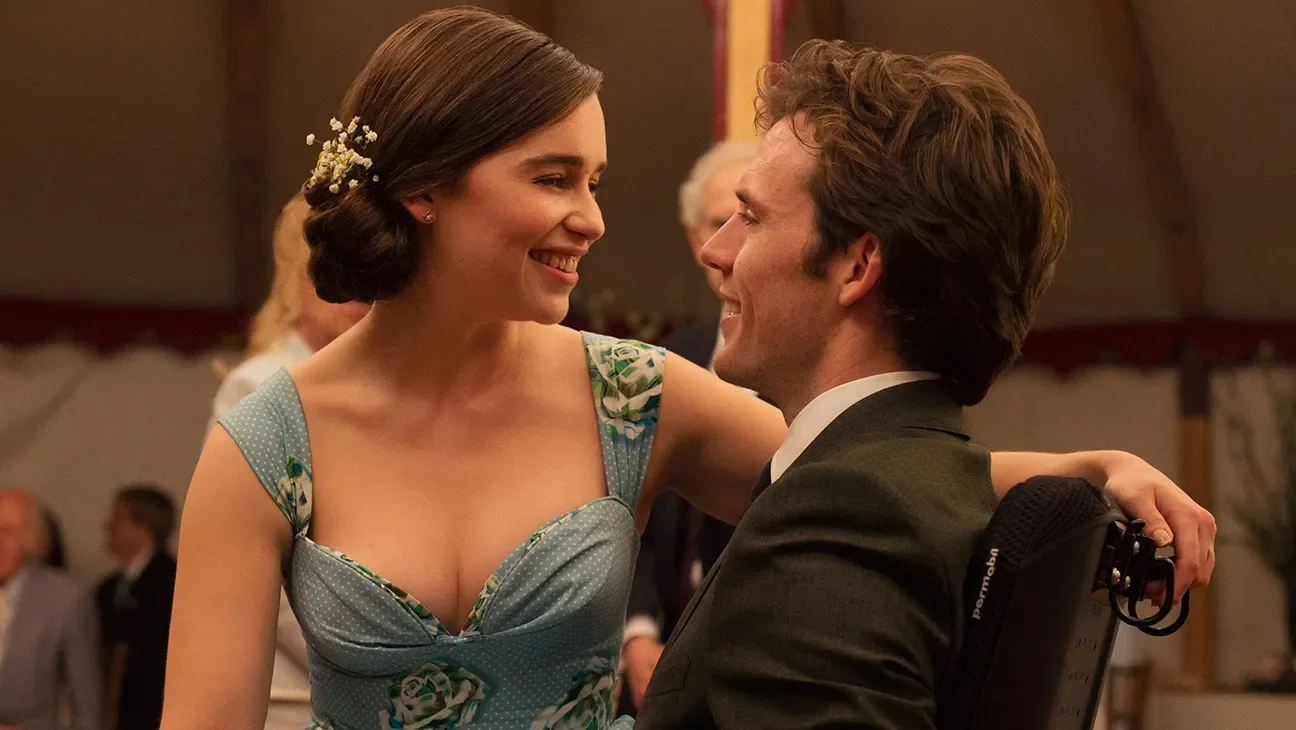
We love marriage stories.
We see ourselves in them — the tension, the longing, the misunderstandings, the drift. Films like
Marriage Story, Good Will Hunting, The Notebook, The Story of Us, and The Bridges of Madison
County resonate because they are honest about struggle.
And when we step back and observe them carefully, something important emerges.
They reveal what is familiar and true about marriage. They show us something real:
• The desire to be seen
• The fear of abandonment
• The ache of feeling invisible
• The slow erosion of contempt
• The power of temptation
In various ways we can understand the hunger. They also reveal what often results when certain
pressures go unresolved.
But when covenant is absent from the center we miss the underlying foundation.

The Modern Marriage Narrative: Become Yourself
In Marriage Story, two decent people slowly prioritize identity over unity. Neither is a villain.
Both want purpose, recognition, self-expression. The fracture isn’t cruelty — it’s selfprioritization.
In Good Will Hunting, the central struggle is fear of connection. Healing comes when someone
offers empathy and emotional safety. It’s powerful and beautiful. But the ultimate pursuit is
personal healing.

In The Notebook, love endures through passion and persistence. Devotion is celebrated. But the
center remains romantic intensity.
The common thread?
The relationship survives — or fails — based on whether the self is fulfilled.
The underlying question becomes:
“Am I becoming who I want to be?”
That question isn’t wrong.
But it is incomplete.
What Often Results
When marriage becomes centered on individual fulfillment, several outcomes commonly appear:
• Identity competes with unity.
• Satisfaction becomes the measuring stick.
• Disappointment turns into resentment.
• Resentment turns into contempt.
• Contempt erodes commitment.
• Temptation feels justified.
This is not because people are intending to be evil.
It is because the marriage is operating without an anchor beyond personal desire.
The Slow Drift No One Notices

The Story of Us captures something many long-married couples experience: not explosion, but erosion.
Sarcasm replaces softness.
Scorekeeping replaces generosity.
Narratives harden.
Contempt creeps in quietly.
Marriages rarely collapse in a single moment.
They drift.
And drift happens when one or both partners protect their perspective more than they protect
their unity.
Temptation Is Often a Mirror

In The Bridges of Madison County, the outside relationship doesn’t begin with lust. It begins
with feeling unseen.
The temptation feels like awakening.
“I feel alive again.”
That’s what makes it dangerous. Temptation often reveals something dormant.
It reveals:
• Unspoken longing
• Emotional invisibility
• Neglected desire
• Untended intimacy
But here is the critical question:
Will that longing lead to replacement…
or renewal?
Replacement seeks excitement outside the covenant.
Renewal seeks restoration inside it.
Replacement vs Renewal
Replacement says:
• I deserve this feeling.
• I can’t keep living like this.
• Someone else understands me better.
Renewal says:
• Something is missing.
• We need to talk honestly.
• Let’s rebuild what has gone quiet.
Replacement is easier.
Renewal is sacred.
Replacement feeds the self.
Renewal strengthens the covenant.
What These Films Get Right
To be fair, these films show important truths:
• Empathy heals.
• Vulnerability transforms.
• Contempt destroys.
• Desire is powerful.
• Passion matters.
But they often leave out something essential.
They leave out covenant.
They leave out the idea that marriage is not merely about fulfillment — it is about formation.
Self vs Covenant
Self-centered marriage asks:
• Am I happy?
• Am I seen?
• Am I satisfied?
Covenant-centered marriage asks:
• Are we becoming stronger?
• Am I loving sacrificially?
• What is God forming in us through this struggle?
Covenant does not eliminate desire.
It directs it.
Covenant does not suppress longing.
It invites it into prayer, confession, rebuilding, and humility.
When self becomes ultimate, empathy becomes fragile.
When covenant becomes central, struggle becomes transformative.
A Final Thought
Temptation is not proof your marriage is dead.
Drift is not proof love is gone.
Longing is not sin.
But if self becomes the highest authority, covenant becomes optional.
And when covenant becomes optional, replacement begins to look reasonable.
Marriage is not about losing yourself.
It is about losing selfishness — and building something that lasts beyond feeling.
If you and your spouse feel drift, distance, or temptation pulling at the edges, there is another way.
Not replacement.
Renewal.
But you must be intentional about out doing something because the drift is doing something
already, and your marriage will pay the price for it.
